ARCS Northern California Chapter is thrilled to recognize the work of our outstanding scholars for 2026-27
To view our 2025-2026 scholars, click here. For 2024-25 scholars, click here. For 2023-24, click here.
For 2022-23, click here.
SAN FRANCISCO STATE UNIVERSITY
Department of Astronomy & Astrophysics
Joan Diehl McCauley Endowment Fund Scholar
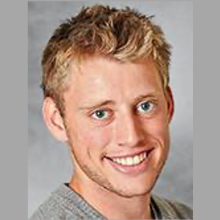
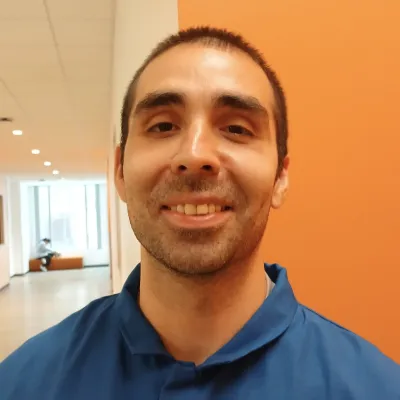
Christopher has always been interested in star formation and high-energy physics, especially topics that are not solely theoretical. It's hard to find Earth-sized planets in the habitable zone around Sun-sized stars because they are small enough for their signals to be "drowned out" by stellar activity. Christopher is currently investigating patterns of solar activity at a very high resolution to develop a method of filtering out background noise from these stars. Coming to a better understanding of solar activity is something with a wide range of applications for exoplanet science as well as magnetic, solar, and stellar physics, and Christopher enjoys being able to integrate multiple areas of study in his research. He is overjoyed to live in a time where our telescopes and spectrographs are high-resolution enough to see the sun in such detail.
Department of Chemistry & Biochemistry
ARCS Foundation Scholar
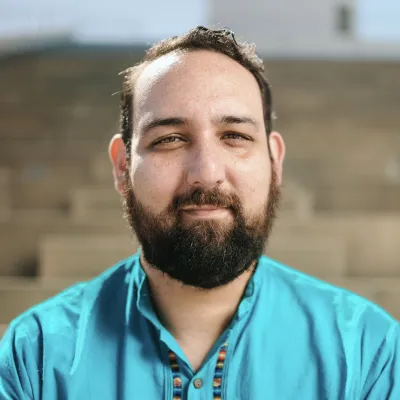
Juan is studying the biophysics of intrinsically disordered proteins (IDPs) in crowded cellular environments. His research uses protein engineering and spectroscopy to better understand protein behavior relevant to neurodegenerative diseases, which may support the development of future therapies. His interest in this field grew from previous research in nanomaterials, synthetic cells, and biotechnology, where he developed technologies for diagnostic and therapeutic applications.
Juan has co-authored a peer-reviewed publication, contributed to several patent-pending technologies, and been recognized as a Genentech Foundation MS Scholar and a National Science Foundation (NSF) Science and Technology Center (STC) Center for Cellular Construction Fellow.
Department of Biology (Integrative)
Robert Lansdon Endowment Fund Scholar
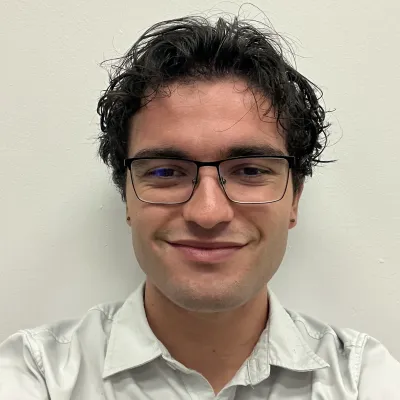
David studies how insect communities change across ranches in the remote deserts of Baja California Sur, Mexico, to better understand how environmental conditions shape biodiversity. By combining scientific field data with Indigenous and traditional knowledge shared by local ranching communities, he hopes to better understand these unique desert ecosystems and support future conservation efforts.
David became interested in entomology during an internship at the California Academy of Sciences, where he discovered the incredible diversity of insects and arachnids, but also the inequalities surrounding scientific research and access to natural history collections. By integrating decolonizing approaches into the science and museum work he loves, he hopes to conduct research that is not only scientifically meaningful, but also permanently accessible to and collaborative with the communities it serves. David has received two NSF Graduate Research Fellowship Program (GRFP) Honorable Mentions, a Genentech Foundation Research Fellowship, and multiple awards supporting his graduate research.
Department of Biology (Cellular & Molecular)
ARCS Foundation Scholar
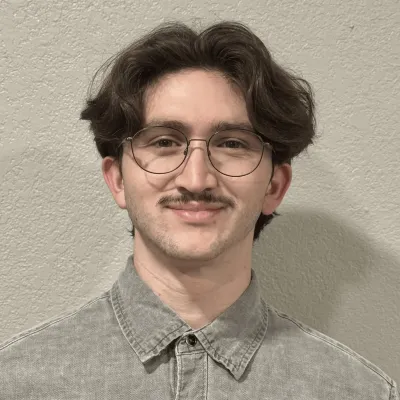
Rafael’s current research focuses on the relationship between cellular metabolism, mitochondrial function, and neuronal differentiation. Using Neuro2a neural cells as a model system, he investigates how metabolic changes influence neural cell development and function. He is particularly interested in how these cellular processes may contribute to neurological diseases and how a better understanding of them could inform future therapeutic strategies.
During his undergraduate studies, Rafael gained experience in molecular biology techniques including RNA extraction, gene expression analysis, mammalian cell culture, and quantitative PCR. These experiences solidified his interest in understanding disease at the cellular and molecular level.
Department of Chemistry & Biochemistry
Clark & Carol Mitchel Scholar
Alexander has a strong interest in medicinal chemistry, clinical research, and health equity. His passion for this work originated from his own experiences receiving care from his pediatric endocrinologist, which inspired him to pursue research aimed at improving treatments and patient outcomes while addressing disparities in healthcare access. Alexander’s research in the Anderson Lab focuses on synthesizing a library of small-molecule inhibitors for the solute carrier protein SLC26A6, a promising therapeutic target for gastrointestinal complications associated with cystic fibrosis. Through this work, he is gaining experience in early-stage drug discovery and exploring how medicinal chemistry can be used to address unmet clinical needs.
Beyond the laboratory, Alexander is committed to advancing health equity in underserved communities. His long-term goal is to pursue an MD/PhD and lead research at the intersection of medicinal chemistry, clinical innovation, and community outreach.
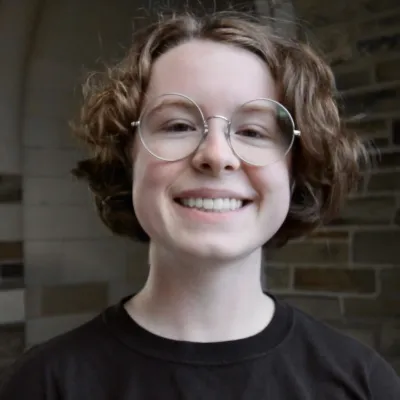
Department of Astronomy & Astrophysics
The Wreyford Foundation/Debbie Wreyford Scholar
As an astronomy researcher and science communicator, Gillis studies and shares fundamental questions about the rarity of life in the universe. She first asked these questions as an undergraduate, then as a full-time exoplanet researcher at Cornell University’s Carl Sagan Institute, all the while speaking to the public through five years of weekly observatory outreach, large-scale lectures, visualizations and written articles, a museum exhibit in New York City, and live planetarium shows in her hometown of Saint Louis. At SFSU she continues to present planetarium shows and study planets that orbit distant stars while revamping astronomy lab curriculum.
Her recently published research examines the fraction of all 6000 exoplanets that orbit within the “habitable zone,” where a planet’s surface temperature may support liquid water. The paper provides astronomers with an updated target list of potentially Earth-like planets to observe with the James Webb Space Telescope and upcoming instruments. Gillis is preparing a follow-up study of the observing time needed to detect atmospheres and signs of life around these planets, which serves as the culminating project for her master’s degree.
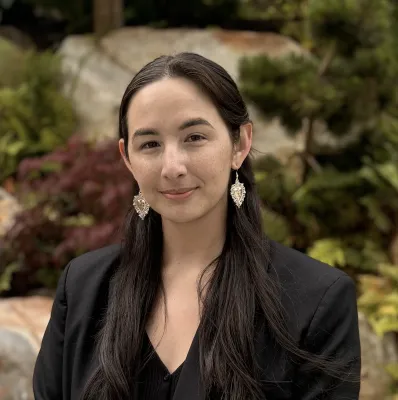
Department of Biology (Integrative)
ARCS Foundation Scholar
Ashley’s current research focuses on using fossil records to increase the reliability of ecological niche models in Chinese alligators (Alligator sinensis). She has always been curious about the natural world and was particularly drawn to snakes and crocodilia from a young age. She credits San Francisco State University with helping her turn her dreams and passions into a career. In Ashley’s time in different labs at SFSU she has worked with Leptasterias sea stars; the dryland moss, Syntrichia; bee and climate data; and natural history. Each of these experiences helped to shape her as a scientist, and she continues to learn and grow as a master’s student working on Chinese alligators in Dr. Robert Boria’s lab.
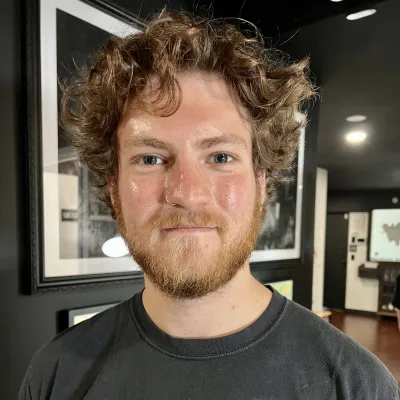
Department of Mathematics
Jack Lund Endowment Fund Scholar
Arye is the son of first-generation Russian immigrants. While studying computer science as an undergraduate, he became interested in graphs and graph algorithms, especially their ability to model and solve complex problems across many fields. This interest eventually led him to commutative algebra, where he found powerful tools for making rigorous geometric arguments that still reward intuition. Arye is particularly interested in the study of complicated geometric objects called curves, their abstractions, and possible interactions with theoretical physics.
Arye’s current project focuses on how curves can degenerate, or break apart, and how those degenerations can be encoded using graphs. His goal is to compare two graph-based “maps” of these degenerations and understand when they have the same shape, with new results showing differences for genus-one curves.
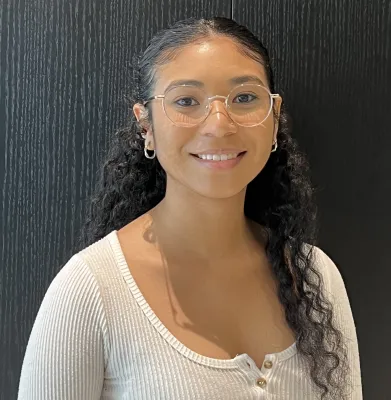
Department of Biology (Cellular & Molecular)
ARCS Foundation Scholar
A native of Bakersfield, California, Erica witnessed firsthand the barriers that underserved communities face in accessing quality healthcare. African American/Black men experience the highest rates of prostate cancer diagnosis and death in the United States. Erica studies how chronic stress contributes to prostate cancer disparities among African American and Black men. Her research examines biological measures of stress, including salivary cortisol, alongside self-reported experiences of stress and psychological distress to better understand how social and environmental factors influence health outcomes. She hopes to use this work to inform interventions that improve health outcomes in communities disproportionately affected by disease.
Outside of research, Erica is passionate about working in and alongside her community through outreach and service. Following completion of her master's degree, she plans to attend medical school and become an obstetrician-gynecologist focused on advancing health equity for women of color through patient care, advocacy, and research.
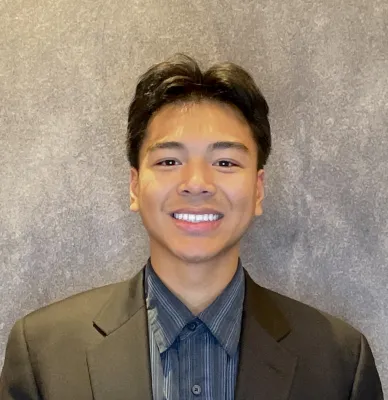
Department of Biology (Biomedical Sciences)
Elizabeth & Clark Callander Scholar
As an undergraduate in Biomolecular Engineering and Bioinformatics at UC Santa Cruz, Zaden was a part of two research groups where he focused on genetically engineering microbes and biofilms to exhibit different traits. On top of research, he took a stem cell engineering course and was captivated by the ability of differentiating a pluripotent stem cell into any type of adult cell through epigenetic regulation. This led to his interest in tissue engineering.
Through SFSU’s Biomedical and Stem Cell Science program, Zaden received California Institute of Regenerative Medicine (CIRM) funding to conduct research at Stanford University, where he is a part of the Skylar-Scott Lab. His work focuses on bioreactor workflows, engineering dynamic heart tissues, and growing cardiac organoids. His research goals are to engineer contracting and vascularized heart tissues. These tissues may advance whole-heart manufacturing or modeling for specific heart diseases.
STANFORD UNIVERSITY
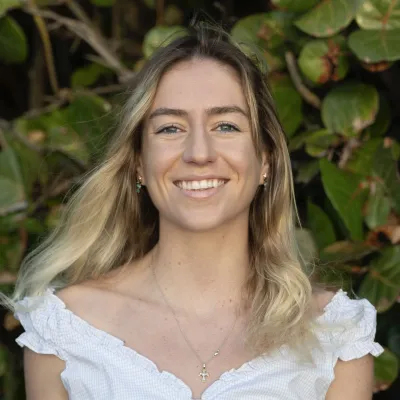
Department of Physics
David Spencer Scholar
Neutron stars provide laboratories in space to study the poorly understood intersection of quantum physics and general relativity, where precise observations are required to inform theoretical progress. Maya is broadly interested in using astronomical data to constrain fundamental physics. Her current research is focused on constraining the dense matter equation of state using mass measurements of neutron stars in ‘black widow’ systems. Prior to graduate school, she was a Stipendium Peregrinum scholar at MIT. Her undergraduate research areas were broad within the realm of astrophysics, ranging from the study of galaxy clusters to exoplanets. Outside of research, Maya is passionate about outreach and science communication, with most of her efforts being focused on the United States and Hungary.
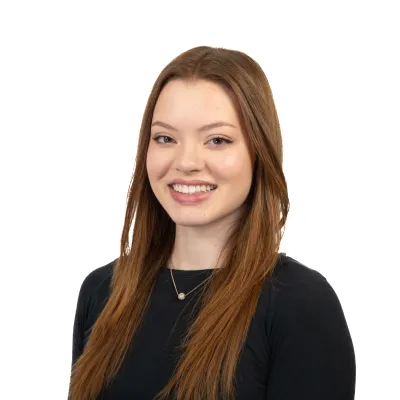
Department of Physics
ARCS Stanford Graduate Fellow
Christina has a deep interest in the development and characterization of superconducting quantum devices for applications in astrophysics and quantum computing. As an undergraduate, she spent two summers conducting research at NASA's Jet Propulsion Laboratory, where she characterized an unconventional thin-film superconducting material for applications in THz device technology. In addition, she has worked at Arizona State University's CXFEL Lab on the low-level RF system to enable the world's first compact X-ray free electron laser. Christina is also dedicated to extending opportunities to underrepresented students in physics; she co-founded ASU's first Association of Women in Physics, which motivated her and united a growing community of like-minded women. Outside of research, she enjoys weightlifting, sketching, and staying active outdoors.
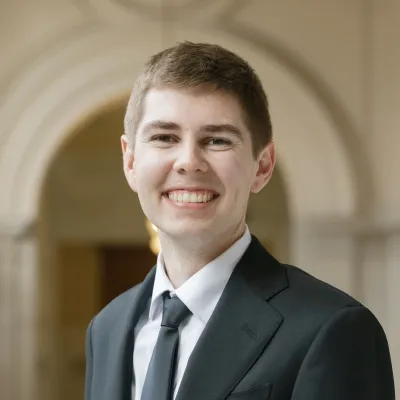
Department of Chemical Engineering
Sheila & Thomas Larsen Scholar
Peggy Newton Scholar
Colin is passionate about the transition to clean energy and the fundamental electrochemical engineering that can help achieve it. At Stanford, he studies the performance and durability of model electrocatalysts for energy conversion devices like hydrogen fuel cells and water electrolyzers. Using in situ characterization techniques, he identifies ways that the catalyst materials change under reaction conditions. These changes can cause durability challenges, which he aims to mitigate with simple electrochemical techniques like potential control.
Colin earned his BS in Chemical Engineering at Case Western Reserve University, where he did research using simulations to study wastewater treatment. He later held internships at De Nora and Applied Materials. In his free time, Colin enjoys exploring nature, cooking, and spending time with his wife.
Department of Biology
Rhoda Goldman Memorial Scholar
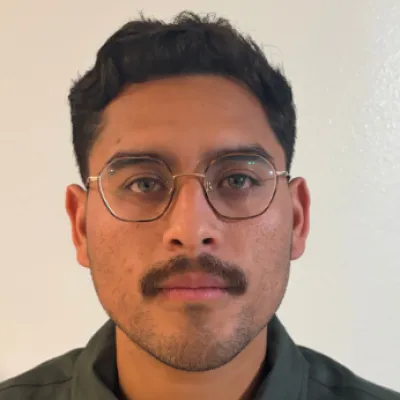
Luis’s interests lie at the intersection of cancer, epigenetics, and chromatin biology. He is fascinated by the fact that, while every cell in the human body shares the same genetic code, a cell's identity comes down to how a specific yet complex symphony of genes is controlled and expressed. This concept is at the very core of epigenetics. His work applies this principle to understand how diseases like cancer hijack these epigenetic systems to adopt, maintain, and even shift their identities to drive the disease forward. Luis’s research goal is to understand how the enzyme NSD2 regulates the epigenome and gene expression programs to promote gastric cancer pathogenesis.
Beyond the bench, Luis enjoys dabbling in lots of different hobbies like volleyball, tennis, pickleball, and cooking. He has a particular interest in learning to make good BBQ and NY-style pizza.
Department of Energy Science & Engineering
William K. Bowes, Jr. Foundation Scholar
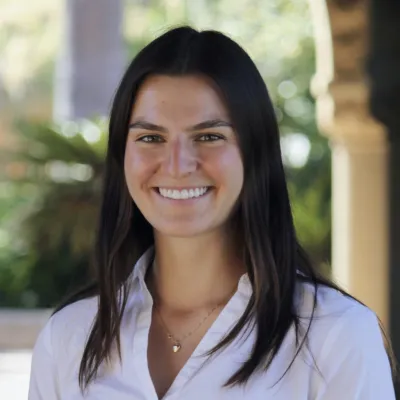
Emma is working to make clean hydrogen fuel affordable by optimizing the devices that split water into energy. By using data science to design new materials, she is reducing the technology's reliance on iridium—a precious metal as rare and expensive as platinum. Emma’s dissertation research advances clean hydrogen production by optimizing low-temperature Proton Exchange Membrane (PEM) electrolyzers. By leveraging data-driven design and conductive supports, her work aims to drastically reduce iridium dependence while enhancing catalyst efficiency and durability.
Emma has had professional experience with the U.S. Department of Energy, NREL, and Chevron. Dedicated to interdisciplinary climate communication, she co-hosts the Hydrogen Innovators podcast and co-founded Stanford’s Sustainability Professionals and Researchers’ Network. Emma is an avid mountaineer, bikepacker, and regular at local farmer’s markets.
Department of Bioengineering
ARCS Foundation Scholar
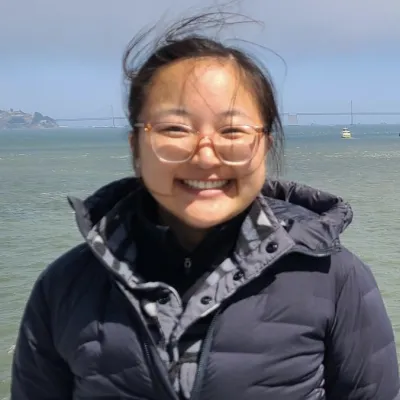
Hope researches molecular motors that can withstand temperature extremes, with the goal of improving human and planetary health. At cooler temperatures, Hope studies how myosins found in Arctic diatoms are motile in sub-zero climates. For more tropical regions, she engineers thermostable DNA polymerases for rapid, low-cost detection of high burden pathogens in sub-Saharan Africa.
While attending community college, Hope became invested in STEM education, outreach, and mentorship. She later taught courses at Foothill College, San José State University, and Stanford University, and received the Stanford Bioengineering Teaching Assistant Award. Hope is a recipient of the National Science Foundation Graduate Research and Stanford DARE Doctoral Fellowships. Outside the lab and classroom, she trains for triathlons and attempts to chip away at her ever-growing “to be read” list of books.
Department of Electrical Engineering
Kimball Foundation Scholar
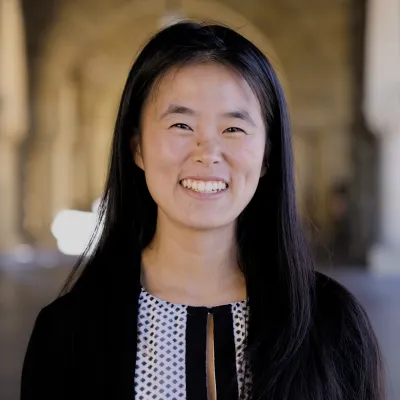
Sabrina is interested in developing statistical models to better understand physiology in health and disease. She currently focuses on using noninvasive electrophysiological recordings to study stomach-brain interactions in patients with eating disorders. Prior to graduate school, she studied Electrical Engineering and Computer Science at MIT, where she applied signal processing techniques to cardiovascular applications.
Outside of research, Sabrina values teaching and mentoring and has helped build inclusive engineering communities through her leadership in Stanford Women in Electrical Engineering.
Department of Earth & Planetary Sciences
Nancy Mueller Scholar
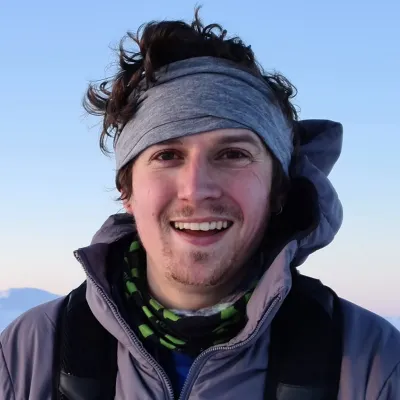
Adrian’s dissertation work uses an array of isotopic, mineralogical, and spectroscopic techniques to explore how disturbances like wildfire, extreme weather, species invasions, and human land use changes modify the evolution of soils and landscapes across a range of spatial and temporal scales: from microns to mountains, minutes to millennia. His overarching aim is to better constrain how past disturbances have shaped the long-term evolution of soils and landscapes to improve forecasts of how current and forthcoming changes will impact the soils of tomorrow. His research on disturbance has carried him from the boreal forests of Sweden and Finland to watersheds ravaged by wildfire in California’s Sierra Nevada to hurricane-impacted rainforests in Puerto Rico.
Beyond the lab, Adrian is active in science communication and has helped establish community science initiatives to offer free soil contaminant screenings for households in redlined regions of the East Bay. His honors include the NSF Graduate Research Fellowship, a Fulbright award to New Zealand, multiple American-Scandinavian Foundation fellowships for work in northern Sweden and Finland, a two-time recipient of the Geological Society of America's Peter Birkeland Research Award in Soil Geomorphology, and a Lewis and Clark Explorer grant from the American Philosophical Society.
Department of Materials Science & Engineering
ARCS Foundation Scholar
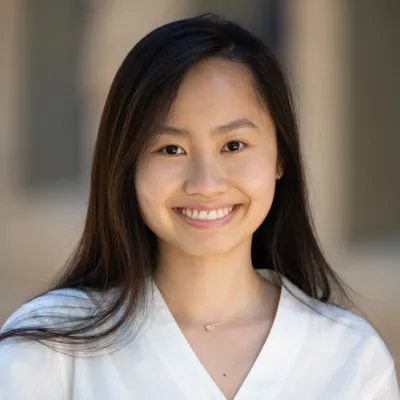
In her work, Kelly focuses on the technological aspect of crystals: she synthesizes and studies crystals with unique electronic and optical properties for emerging applications in computing and data communication. She particularly enjoys applying these skills to understand and improve semiconductor materials. Semiconductors are the backbone of modern electronic devices but still face bottlenecks in performance due to material defects or other intrinsic limits. Kelly’s research investigates the synthesis of novel chalcogenide semiconductors and characterizes their optoelectronic properties, with the goal of enabling advanced functionalities in next-generation computing and sensing devices.
Department of Biophysics
Kimball Foundation Scholar
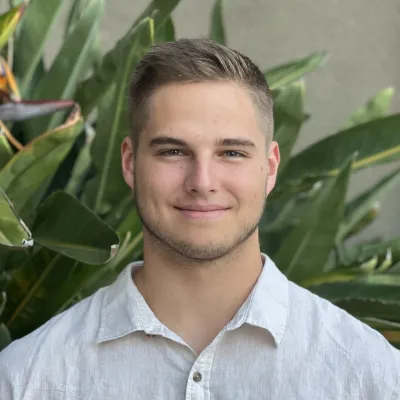
Joey is drawn to the study of incurable genetic diseases, both to enable the development of treatments and to deepen our understanding of human physiology. As an undergraduate, he studied the aggregation of a protein implicated in neurodegenerative diseases. Currently, he uses an advanced imaging technique called cryogenic electron tomography (cryo-ET) to study the nanoscale organization of heart cells from mouse models of the most commonly inherited cardiovascular disease, hypertrophic cardiomyopathy (HCM). His hope is to uncover the structural and mechanistic underpinnings of cardiovascular disease.
During his time as a graduate student, Joey was awarded an Honorable Mention in the NSF GRFP and was the Gold Award Recipient of the 2024 ThermoFisher Cryo-EM Grant. Outside of lab, he spends his time weightlifting and playing card games.
Department of Statistics
Emery Family Foundation Scholar
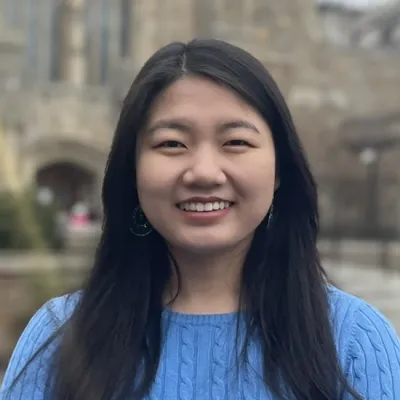
Sarah’s research is at the intersection of machine learning and statistics. Scientists and practitioners can often struggle to collect enough high-quality data due to resource constraints, ethical barriers, or hard-to-reach populations. Sarah’s research develops statistical methods for using imperfect sources of information, such as external datasets and synthetic data, to draw reliable conclusions when high-quality data are limited. Her emphasis is on carefully combining real data with AI predictions and external datasets while being transparent about the assumptions involved and where conclusions might break down.
Before Stanford, Sarah completed a joint B.S./M.A. in Statistics & Data Science and a B.S. in Mathematics at Yale followed by an MPhil in Computer Science at Cambridge. Her studies have been supported by the Barry M. Goldwater Scholarship, Churchill Scholarship, and the EDGE Fellowship. Outside of research, she enjoys teaching, hiking, and cooking.
UNIVERSITY OF CALIFORNIA, BERKELEY
Department of Biophysics
Rhoda Goldman Memorial Scholar
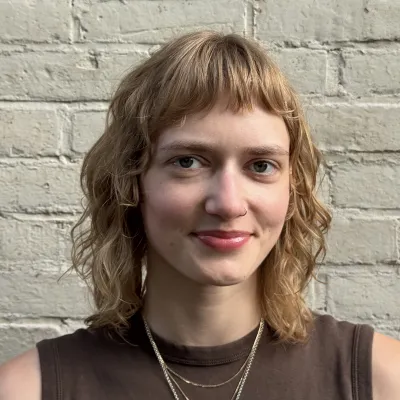
Eliza’s research uses theoretical frameworks from statistical and condensed matter physics to study emergent collective phenomena in far-from-equilibrium living systems. Their work has focused on hydrodynamic theories of flocking and on sensory information processing in large populations of neurons, seeking principles of robust collective function and information transfer that generalize across biological scales. They have presented research at multiple conferences, including COSYNE and the APS Global Physics Summit. Prior to coming to Berkeley, they earned a B.A. in Physics from the University of Chicago, where they served on the board of the Society of Women in Physics. Outside of research, they can usually be found rock climbing.
Department of Civil & Environmental Engineering
ARCS Foundation Scholar
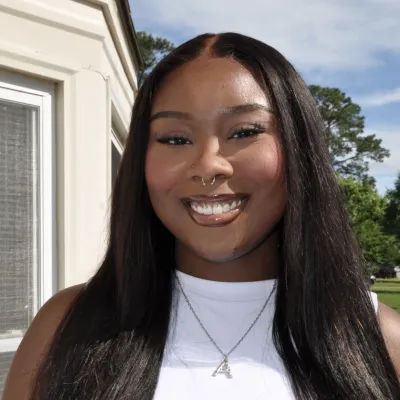
Akirah’s research focuses on the intersections of air quality and race, class, and social justice. She leverages satellite and ground-based measurements to examine the spatial and temporal distribution of air pollutants, with a focus on uncovering systematic and distributive inequalities. Her main goal is to support community-driven initiatives that make environmental science more accessible and responsive to the needs of marginalized communities, while grounding scientific work within its broader social and historical context. She is the lead author of a recent publication in Environmental Science & Technology which examines spatial inequalities in concentrated animal feeding operations in North Carolina.
Department of Information Science
Linda Dyer Millard Scholar
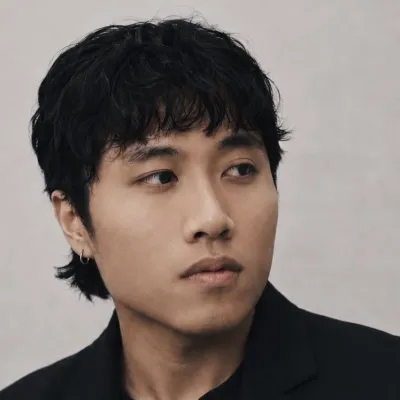
Carl's current research interests lie at the intersection of computer science, psychology, and algorithmic fairness. He is particularly passionate about understudied online communities and building technologies that serve the public interest. Carl is a member of the Responsibility Lab at Berkeley, where he is helping develop a framework to evaluate generative models against fragmented local laws and is using Natural Language Processing to study how people make decisions in experimental economic games.
Previously, Carl has written on algorithmic bias, researched automated decision systems with the Berkeley Tech Policy Executive Fellows, consulted for the Berkeley Data Lab and Cybersecurity Clinic, and built data tools for nonprofits. Outside of school, he reads fantasy, horror, and philosophy, and spends his free time at the gym, playing video games, and training in combat sports.
Department of Plant & Microbial Biology
Martha Carlson Ryan & Gregory Ryan Scholar
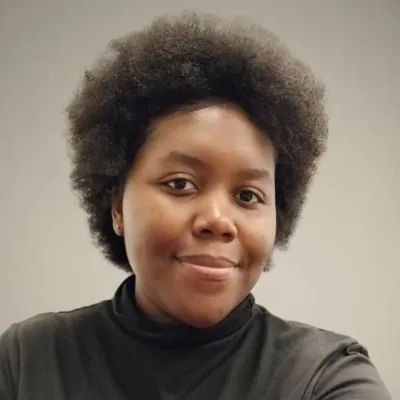
As an undergraduate, Cierra conducted research under the NIH's Initiative for Maximizing Student Development (IMSD) and Maximizing Access to Research Careers (MARC) and worked in a lab focused on the surveillance of surface-water bacteria. Studying the mechanisms of horizontal gene transfer and the dissemination of antimicrobial resistance in these bacteria furthered her interest in the mobile genetic elements that enable bacterial survival and evolution.
In the first half of her PhD, Cierra was funded by UC Berkeley's Mentored Research Award and studied how phage infection regulates a Vibrio cholerae phage satellite. Her current research focuses on understanding how spontaneous inducing prophages confer protective effects from pathogenic bacteria of tomato plants.
Department of Industrial Engineering & Operations Research
NVIDIA Scholar
Jessica is interested in optimization and machine learning and is currently investigating scalable algorithms for decision making. Her research develops scalable algorithms that integrate optimization for decision-making directly into machine learning pipelines, enabling large-scale models to learn predictions optimized for downstream decision quality.
In the past, she has worked on algorithms for team assignments, recommender systems, and research in atmospheric science. Jessica also enjoys teaching and has served as a TA for undergraduate courses in programming and optimization. Outside of academics, her hobbies include baking and hiking.
UNIVERSITY OF CALIFORNIA, DAVIS
Department of Pharmacology & Toxicology
Susan & Dennis Mooradian Scholar
Chris Simpson Brent & Bruce Brent Scholar, in memory of Dorothy Lewis Simpson
Aishwarya’s research focuses on understanding how environmental pollutants influence the risk and severity of neurological disease. Her current project examines how particulate matter in traffic-related air pollution contributes to Alzheimer’s disease, with a focus on how inhaled particles enter the brain through either the olfactory nerve or systemic circulation. She first became interested in toxicology through her undergraduate research on DDT and its effects on the reproductive system, which motivated her to better understand how environmental exposures can negatively impact human health.
While in graduate school, Aishwarya has received the NIH Diversity Supplement fellowship, IMSD T32 fellowship, the Comparative Lung Biology T32 Fellow and several travel awards. She is also involved in the Society of Toxicology as the graduate student representative for the NorCal SOT Chapter and as a member of the SOT Graduate Student Leadership Committee.
Department of Transportation Technology & Policy
ARCS Foundation Scholar
Hope envisions a future in which people have the freedom to choose non-car modes of transportation without sacrificing accessibility, reliability, travel time, or safety. Her PhD research centers around how fare and payment strategies can encourage adoption of public transit and shared micromobility (shared bikes, e-bikes, and e-scooters). Shared and sustainable travel modes provide access to economic and social opportunities, promote a healthier environment, and support well-being.
After earning her master’s degree, Hope began her professional career as a Research Assistant in the New England Public Policy Center at the Federal Reserve Bank of Boston. Living without a car in Boston, she experienced the economic and social lifeline that shared transportation provides to individuals across the sociodemographic spectrum. Recognizing the power and promise of shared and sustainable transportation inspired her to pursue her Ph.D. in Transportation Technology and Policy at UC Davis.
When she isn’t studying or promoting sustainable transportation, Hope enjoys exploring natural areas, biking, fiber arts, and spending time with friends.
Department of Pharmacology & Toxicology
ARCS Foundation Scholar
Trey is a pharmacologist and medicinal chemist with a sustained passion for serotonergic drug development. His focus is on modifying known psychedelic scaffolds to uncover novel pharmacological profiles for understudied therapeutic indications. Trey’s Ph.D. work has centered on developing chemically optimized compounds for the treatment of neurodegenerative disorders, including Parkinson’s disease. He is the cofounder and president of Azocino, INC, a startup focused on further development of pharmaceutical patents derived from his group’s work at UC Davis.
Trey has been working in the psychedelic and psychedelic-inspired pharmaceutical space since 2020. He has worked with several nonprofits including Chacruna, MAPS, and Unlimited Science. In this capacity, he helped conduct the largest naturalistic psilocybin study to date, in collaboration with Johns Hopkins University.
Outside of his scientific work, Trey is an artist and outdoorsman with a strong personal interest in mindfulness practices, including yoga and meditation.
Animal Behavior Graduate Group
Katherine Hellman Black Endowment Fund Scholar
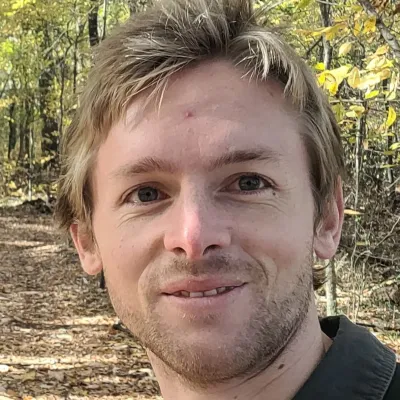
Konshau has a strong interest in descriptive natural history and enjoys using it to help answer questions in ecology and behavior. His current study system provides an opportunity to use descriptive and comparative approaches to fill in a major gap in our understanding of how diets shift during variable and nomadic migrations. Nomadism presents unique challenges for animals that need to track a single resource because they cannot predict the future locations of their foods. He is also interested in how animal diets interact with different stages in their life cycles more generally. Konshau is an avid field biologist and enjoys observing many other plants and animals during field work.
Department of Soils & Biogeochemistry
Ramsay Family Foundation Scholar
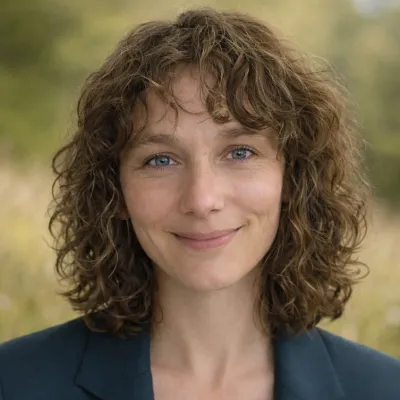
The goal of Kelly Mae’s research is to help California meet its growing needs for food, water conservation, and renewable energy by making it possible for farmland to produce both crops and clean electricity. She is studying how agrivoltaics can address California’s interconnected food, energy, and water challenges. Her research investigates how integrating spectrally selective solar technologies into agricultural landscapes can improve resource efficiency, strengthen climate resilience, and support just and sustainable transitions across scales. Using systems-based approaches that integrate biophysical and human dimensions, she evaluates their environmental, social, and adoption outcomes.
Passionate about connecting science and people, Kelly Mae is also a Master Gardener, soil judging coach, and mentor who translates technical knowledge into applied learning and strengthens connections between people and the ecosystems they depend on. Outside of academia, she enjoys plant-based cooking, gardening, and backpacking.
Integrative Pathobiology Graduate Group
Patricia Wright Klitgaard Scholar
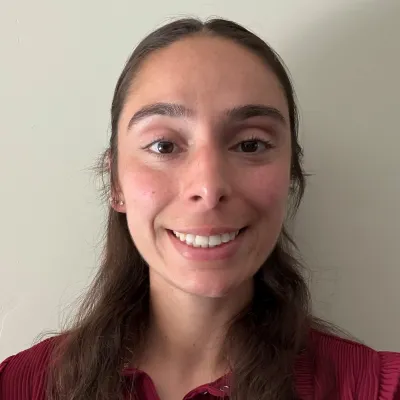
Ava completed her undergraduate education at UC Davis in Nutritional Biology, during which time she earned various accolades. She honed her research skills and experimental thought process through working as a lab assistant at a biotechnology company (VelosBio) which focused on developing antibody drug conjugates (ADCs) for various lymphomas. Ava also worked as a research intern at UC San Diego in which she characterized a novel ADC for an undisclosed type of cancer. These research experiences, along with personally dealing with family members and friends who passed from cancer, enforced Ava’s desire to pursue cancer research with the goal of developing therapeutics to prevent or treat cancer. Her current project focuses on understanding if obesity promotes triple-negative breast cancer metastasis and if novel weight loss drugs (GLP-1RA agonists) can slow or prohibit tumorigenesis.
Biomedical Engineering Graduate Group
Susan & James Acquistapace Scholar
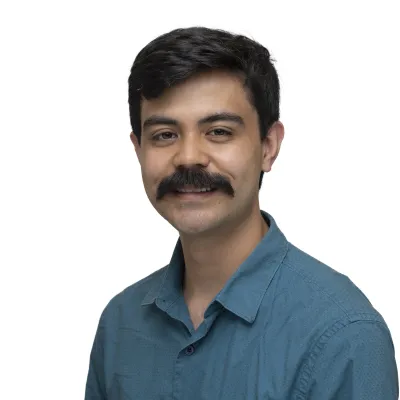
Inspired by the potential of synthetic biology to address unmet medical needs, Jared transitioned from his earlier work engineering microbes to engineering stem cells for therapeutic applications. At UC Davis, he develops next-generation living cell therapies designed to survive hostile disease environments and promote tissue regeneration. His research focuses on creating "Cyborg Cells"—engineered stem cells integrated with advanced biomaterials that enhance cell survival, therapeutic production, and regenerative function. These technologies are being developed to treat chronic diabetic wounds and other inflammatory diseases. Jared has authored multiple peer-reviewed publications and reviews in synthetic biology and biomaterials and has presented his research at national conferences.
Outside the laboratory, Jared is passionate about STEM education, mentorship, and community outreach. He serves as President of both the Biomedical Engineering Student Association and the Equity in Science, Technology, Engineering, Math, and Entrepreneurship (ESTEME) graduate student organization at UC Davis, where he develops mentoring programs and hands-on engineering activities that inspire the next generation of scientists and engineers.
Department of Civil & Environmental Engineering
ARCS Foundation Scholar
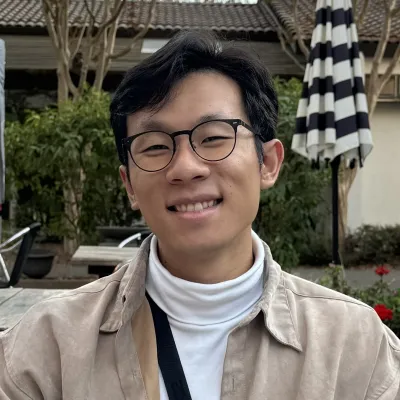
Previously, Matthew looked to research how to improve highways and to reduce congestion, which led to internships and research in road design and pavements that revolved around data analysis. During this time, however, he witnessed how dependence on the highway and on the car in the US has led to their overuse and caused harms to the environment and the communities around highways. Moreover, he witnessed how other transportation systems around the world could successfully champion public transit instead. This caused Matthew to realign his research—rather than perpetuating the current US transportation system with his previous research, he instead looked to optimize public transit systems in the US to help create transformative change. His research focuses on using data and information systems in public transit to enhance the rider experience and supplement transit agency planning decisions. Matthew hopes that his work will help bring a more sustainable and equitable future for transportation in the US.
Department of Chemistry
Edina Jennison Scholar
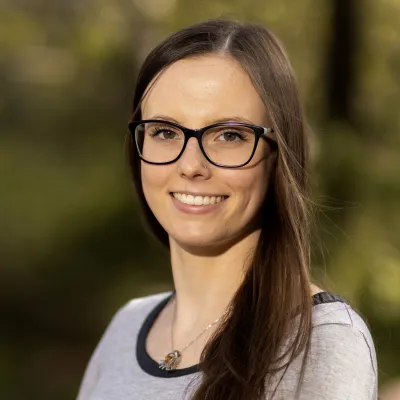
Konstantina has always been drawn to materials design by the opportunity to engineer local chemical environments and thereby control properties critical to energy conversion applications. Her Ph.D. research focuses on the design and synthesis of materials for energy conversion applications, such as the conversion of atmospheric CO2 to liquid fuels or water-based battery technologies. Her primary goal is to contribute to the advancement of sustainable technologies through materials design.
During her research journey, Konstantina has been supported by the Bradford Borge Graduate Fellowship in Chemistry and the Susan M. Kauzlarich Graduate Fellowship in Inorganic Chemistry.
Department of Transportation Technology & Policy
Mary Ann Peoples Scholar
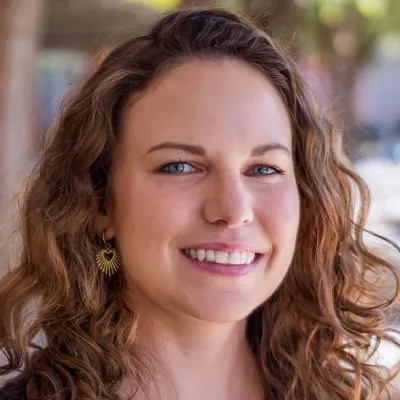
Accessibility to destinations is a concept in transportation planning which can typically be defined as "the ease with which one can reach destinations". The methods of measurement can vary, and don't typically consider individual differences. Through her research, Claire hopes to contribute to the understanding of how people perceive opportunities available to them and how this may differ from objectively measured accessibility.
Claire brings eight years of professional experience in transportation and traffic engineering, including specializing in performing microsimulation utilizing Synchro and VISSIM and preparing traffic control and signing and pavement marking plans for projects in Pennsylvania and Florida. During this time, her passion for sustainable and equitable transportation grew.
Claire has been recognized for her leadership and commitment to advancing women in transportation. She received the WTS International Leadership Legacy Scholarship at the WTS International Conference in Toronto in 2025 and is a two-time recipient of the USDOT/FHWA Dwight David Eisenhower Transportation Fellowship.
Department of Earth & Planetary Sciences
Ji Ing Soong Endowment Fund Scholar
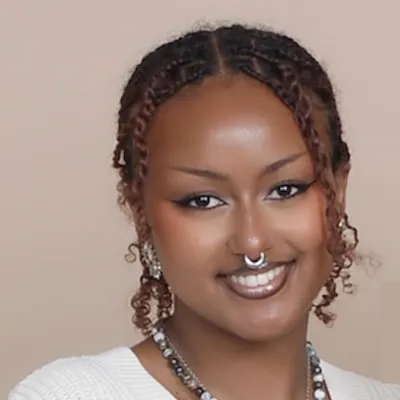
Liyu is a biogeochemist who explores the carbon storage potential of vegetated coastal ecosystems as a nature-based climate solution. Her Ph.D. research explores how vegetated coastal ecosystems, such as seagrass meadows, can naturally mitigate carbon emissions and ocean acidification. Increasing ocean acidity and temperature can cause global damage, harming marine ecosystems and the coastal communities relying on them for economic stability and cultural conservation. Given the pressing nature of these issues, Liyu hopes to make a significant contribution to our understanding of coastal carbon processes, which can inform legal actions such as ecosystem restoration or further climate solution investment.
With the knowledge gained throughout her Ph.D., Liyu plans to build a career working with geochemists, oceanographers, and environmental scientists in industry to optimize existing vegetated systems and support companies in reaching net negative emissions. She will prioritize the needs of disenfranchised communities as she expands her work into the development of efficient and equitable climate solutions.
Department of Agricultural & Environmental Chemistry
Nordstrom Stores Scholar
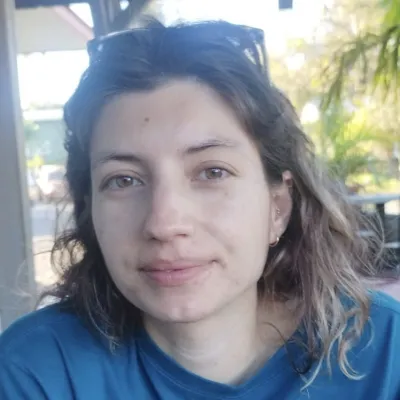
Alicia’s research lab at UC Davis uses computational chemistry methods to study chemical mechanisms, and her research project uses computer models to understand chemical reactions that create terpenes. Terpenes are an important type of natural product that are useful to the pharmaceutical industry.
She received a B.S. in Chemistry from Cal Poly, SLO and an M.S in analytical chemistry from the University of Seville where her thesis focused on soil chemistry.
Outside the lab, Alicia’s interests include running, climbing, hiking with her family, and math.
Population Biology Graduate Group
ARCS Foundation Scholar
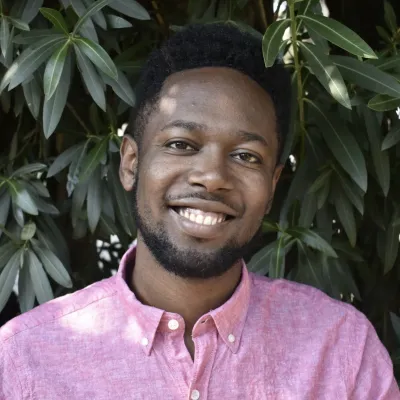
Khalil’s fascination with fish began when he received his first aquarium in elementary school. Since then, he has bred dozens of fish species and developed a lifelong interest in their remarkable diversity of form and behavior. As a Ph.D. candidate at UC Davis and a National Science Foundation Graduate Research Fellow, Khalil studies how behavior links organismal form to ecological function. Using Neotropical cichlid fishes as a model system, he combines high-speed videography and live-animal experiments to investigate how feeding structures, movements, and behaviors have evolved in response to different diets.
Outside the lab, Khalil shares his passion for fish biology through a YouTube channel dedicated to the aquarium hobby, helping connect scientific research with the broader public.
Center for Neuroscience
Megan Anderson & Ivo Manolov Scholar
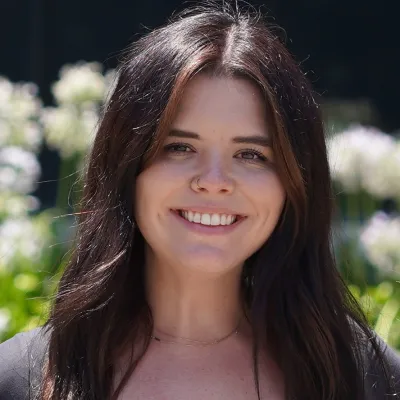
Kendall’s interests lie at the intersection of systems and cognitive neuroscience. Decision-making is central to human behavior, yet scientists still lack a mechanistic understanding of how brains make decisions. Kendall’s dissertation research investigates how the brain makes decisions, with the goal of better understanding why decision-making can be disrupted in many neurological and psychiatric disorders. Her work combines complex animal behavior, high-density population-level electrophysiology, and temporary, reversible inactivation of specific brain regions to understand if, how, and when different areas of the brain contribute to perceptual decisions.
Kendall has been awarded fellowships through the Basic Neuroscience and Learning, Memory, and Plasticity T32 training programs, as well as the NeuralStorm Neural Engineering NSF NRT training program. Outside of the lab, she enjoys hiking, camping, reading, and spending time with her dog.
Ecology Graduate Group
ARCS Foundation Scholar
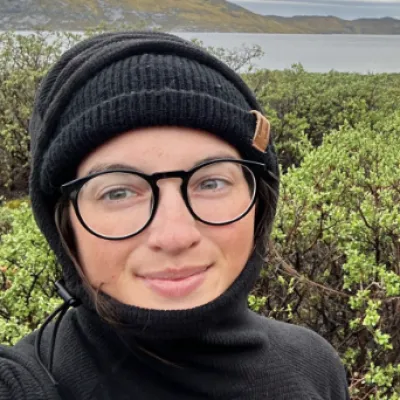
Nikki is a California native who has always had a passion for the outdoors. She grew up wild and free in the Northern California mountains, exploring every inch of her backyard. Her curiosity about plants, animals, and the processes driving their populations and functions led her to her current study at UC Davis.
Her research interests focus on looking at the effects of warming on plant functional traits such as phenology and leaf nutrient concentrations to understand how anthropogenic climate change can influence herbivore populations. More specifically, she is interested in quantifying spatiotemporal shifts in nutrient quality of plant tissues that are available for caribou populations in West Greenland. This project aims to use multi-spectral drone surveys coupled with ground sampling to develop novel methodology for the evaluation of spatiotemporal variation in caribou forage quality at the sub-landscape scale. This research aims to elucidate potential declines in caribou abundance and offspring production.
Department of Agricultural & Environmental Chemistry
Eileen D. & Lisa C. Ludwig Endowment Fund Scholar
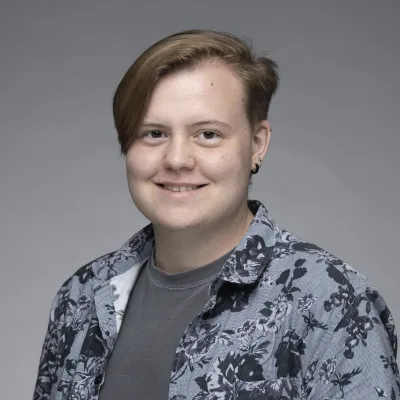
Eli is currently an NHLBI T32 trainee in respiratory toxicology, studying how atmospheric nanoplastics influence the accumulation and toxicity of gaseous air pollutants in human pulmonary epithelia. As someone who lived through severe idiopathic lung disease in adolescence, Eli is acutely aware of the importance of understanding environmental factors in pulmonary health and wants to continue researching knowledge gaps in this area to help improve the health outcomes of others struggling with lung disease.
During his undergraduate career, Eli participated in a variety of environmental research projects, from habitat restoration and education outreach to microplastic monitoring. He entered UC Davis on the internal Eugene Cota Robles Fellowship awarded for his commitment to improving access to education as well as addressing socioeconomic and environmental injustices.
UNIVERSITY OF CALIFORNIA, MERCED
Department of Physics
Jane Fuller Gillespie Memorial Scholar
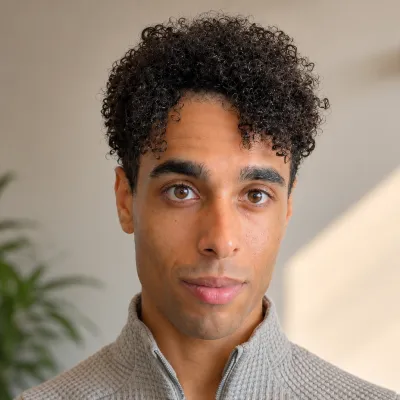
Fascinated by how light reveals the inner workings of materials, Teddy is passionate about translating fundamental physics into practical technologies—from safer near-infrared imaging to next-generation solar solutions. His research explores environmentally friendly semiconductor materials that emit near-infrared light, with applications ranging from non-invasive medical imaging to next-generation solar energy technologies. By improving how these materials are designed and understood, he hopes to develop safer healthcare technologies and more sustainable solutions for clean energy.
Teddy’s work has been recognized with the Department of Defense NDSEG Fellowship and First Place at the LANL-CINT User Meeting Poster Competition. Outside of research, he enjoys mentoring students and spending time in the mountains—whether endurance hiking or skiing.
Department of Cognitive & Information Sciences
Barbara Glynn Scholar
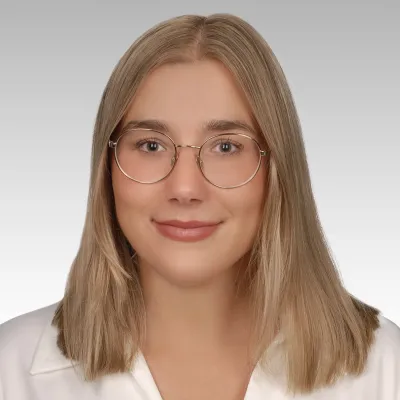
Olivia’s research investigates how humans and artificial intelligence transform thoughts into language and decide what to say next. She studies natural speech, the brain and cognitive processes involved in language production, and what happens when communication breaks down because of memory distortions, speech errors, neurological or psychiatric conditions, or AI hallucinations. Her current project combines behavioral experiments, EEG, eye tracking, clinical speech data, computational modeling, and large language models to study language production in minds and machines.
Olivia holds master’s degrees in linguistics, cognitive science, and neuroscience. Her honors include graduating at the top of her cognitive science master’s program and specialization, as well as receiving multiple competitive scholarships and academic honors throughout her studies. She served as President of the Cognitive and Information Sciences Graduate Student Government during the 2025–2026 academic year, representing graduate students and organizing research and professional-development initiatives.
Department of Environmental Systems
ARCS Foundation Scholar
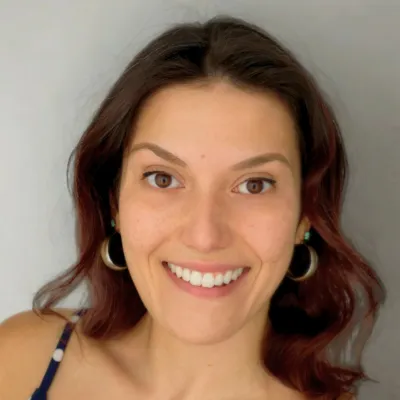
After earning her B.S. and M.S. degrees, Adrianne joined the inaugural cohort of California Climate Action Corps Fellows and then worked as a soil biogeochemistry laboratory and field technician at UC Berkeley. Through these experiences, she came to appreciate the importance of soils in the global carbon cycle and was inspired to pursue doctoral research in that area.
Her research investigates the mechanisms that control organic matter stabilization in soil, with a particular focus on how root chemistry, soil mineralogy, and moisture dynamics interact to determine whether root-derived carbon remains stored in soils or is returned to the atmosphere as CO2. She is especially interested in suberin, a carbon-dense biopolyester found in plant roots, and its potential role in enhancing carbon sequestration in agricultural systems. By combining laboratory incubation experiments, isotopic tracing, and advanced spectroscopic techniques, her work seeks to improve predictions of soil carbon persistence and inform strategies for enhancing soil carbon stocks.
Adrianne is a 2025-2026 National Science Foundation CONDESA Fellow and recipient of the 2026 Top Talk Award at UC Merced's Early Career Researcher Lightning Talks.
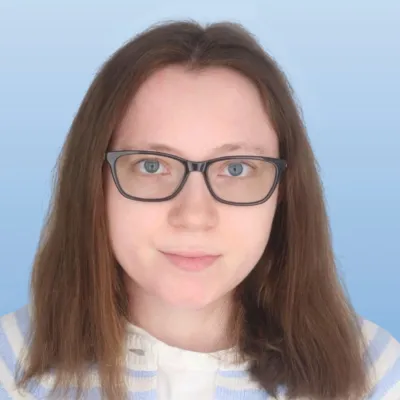
Department of Chemistry & Biochemistry
Georgiana Ducas Endowment Fund Scholar
Bridget works with mathematical principles and physics-informed machine learning to develop new approximation methods in ensemble density functional theory. New developments in this area can improve simulations of the electrons in materials and molecules. Her current research focuses on developing novel approximation methods for ensemble density functional theory (DFT) utilizing density-to-potential inversions and physics-informed machine learning. Bridget’s time as a Convergence of Nano-engineered Devices for Environmental and Sustainable Applications (CONDESA) Fellow gave her a unique appreciation for the interdisciplinary applications that could benefit from improved modeling of excited states, a main property targeted by ensemble DFT. Her current and future thesis work is part of a collaboration with researchers at the Center for Advanced Systems Understanding in Germany.
In addition to research, Bridget co-organizes UC Merced’s Joint Computational and Theoretical Club, a biweekly meeting where graduate students and faculty can discuss fundamental and specialized chemical physics topics to get broader perspectives and practice in scientific communication.
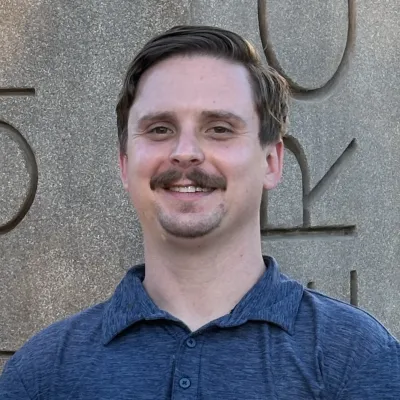
Department of Physics
ARCS Foundation Scholar
Taylor’s research focuses on the application of dynamical systems theory to biological systems, with an emphasis on the dynamics of bacteria and algae in fluid flows using tools from nonlinear dynamics and statistical physics. He is currently investigating transport barriers known as Swimming Invariant Manifolds (SwIMs) and how they are modified by magnetotaxis, with the goal of developing methods to control microbial motion in flowing environments. His interest in this topic began when his advisor encouraged him to identify a control problem involving a biological taxis mechanism. After reading about the potential use of magnetotactic microorganisms for targeted drug delivery, he recognized the opportunity to apply dynamical systems theory to a problem with biomedical relevance.
UNIVERSITY OF CALIFORNIA, SAN FRANCISCO
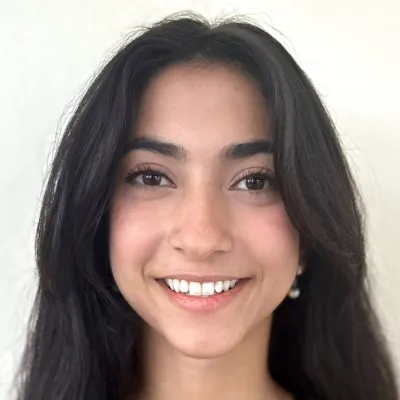
Department of Chemistry & Chemical Biology
Diane B. Wilsey Scholar
Hannah’s background is in cancer signaling biology. Her thesis research focuses on repurposing FDA-approved medications to develop new therapies for preterm white matter injury, a leading cause of neurological disability in premature infants. She became interested in this work because it combines mechanistic science with the opportunity to translate discoveries into new treatments. As an aspiring physician-scientist, Hannah hopes to bridge basic research and clinical care to advance human health.
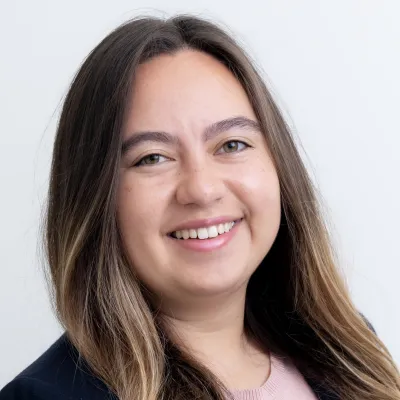
Department of Biological & Medical Informatics
Barbee & Bruce Callander Scholar
Carol & Dixon Doll Scholar
Sarah’s research focuses on utilizing machine learning and single-cell genomics to understand how genetic perturbations alter cell state, with the goal of advancing our understanding of Alzheimer's disease. Her work helps researchers identify potential disease mechanisms for further experimental investigation.
Following her graduation from UC Berkeley, Sarah conducted research at the Chan Zuckerberg Biohub on computational methods for single-cell genomics. She is a recipient of the Eli and Edythe Broad Fellowship and an Honorable Mention from the National Science Foundation Graduate Research Fellowship Program (NSF GRFP).
Department of Biochemistry & Molecular Biology
ARCS Foundation Scholar
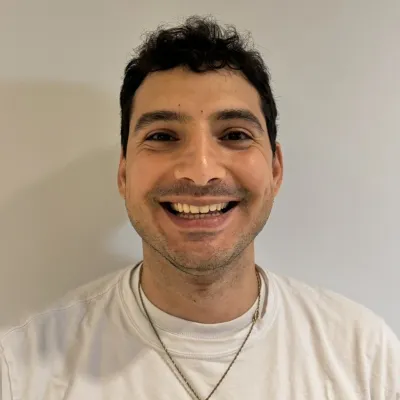
Kamel’s research journey began in an RNA biochemistry lab at the University of Rochester, where he worked on inherited mutations in an RNA-binding protein, which led to disease in children. His interests in medicine and research brought him to the MD/PhD program at UCSF, where he is currently working on the basic biochemical basis of how the human genome is packaged. This packaging is an essential feature of how our cells establish their identity -- from neurons to skin cells. Accordingly, any errors in packaging can lead to diseases such as cancer.
Outside of research, Kamel’s interests include community service and social justice. This includes working with various organizations rooted within the San Francisco community, which he hopes to continue into his professional career.
Department of Developmental Stem Cell Biology
Barbara A. Wolfe Scholar
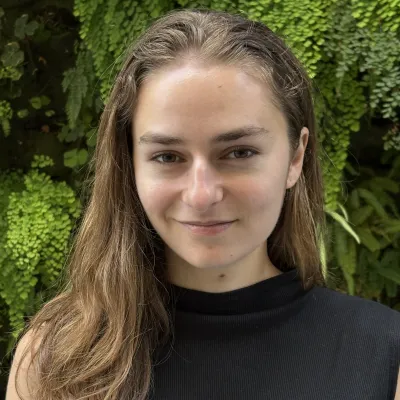
Lea is a biologist studying age-related cognitive decline and how to protect and rejuvenate the aging brain. She is interested in why aging unfolds differently across individuals, and how exceptional examples of that variation can be harnessed to protect cognitive health. At UCSF she works in the Saul Villeda lab and was a 2025-26 Bakar Aging Research Institute Fellow. She earned her B.S. in Biochemistry from UCLA, where she studied age-related changes in muscle stem cells and their niche. She also spent a summer at the Buck Institute for Research on Aging, investigating how cellular senescence interacts with age-related disease.
Department of Biochemistry & Molecular Biology
Nancy Bush & Emil Scoffone Scholar
Diana Moore Scholar
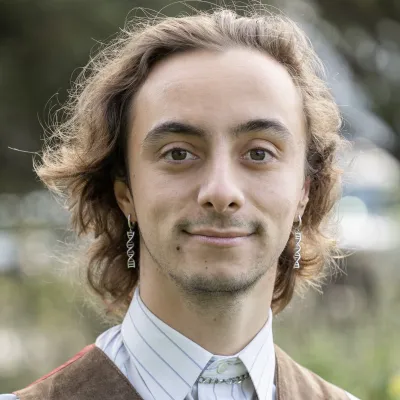
Daniel studies how cells establish and maintain their identity through the regulation of chromatin. Every cell must establish a precise molecular memory of which genes to silence to maintain its identity across cell divisions, yet the biochemical rules that govern how these silencing patterns are built and spread remain poorly understood. Daniel’s research focuses on understanding how a specific enzyme complex, G9a/GLP, builds and spreads the repressive marks that permanently silence genes incompatible with a cell's committed identity, a process essential for normal development whose disruption drives a range of blood cancers and developmental disorders.
Outside of the laboratory Daniel pursues a variety of creative pursuits, producing watercolors, drawings, and prints inspired by protein structures and cellular pathways leading to formal collaborations including scientific illustration work published in Molecular Cell. He was recognized with the UCSF TETRAD Outstanding Teaching Assistant Award in 2025. Daniel views both teaching and art as part of a common fundamental goal to make the complexity of biological systems accessible and compelling beyond the lab.
Department of Chemistry & Chemical Biology
Deborah Mann Scholar
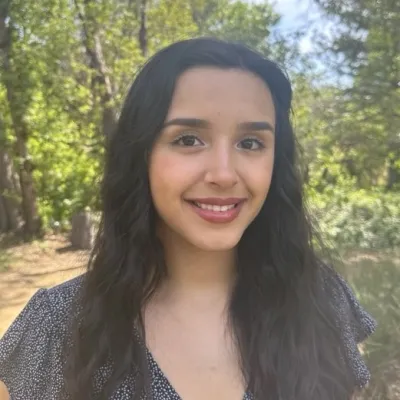
Sydney develops “smart” cancer drugs that become active only in tumor cells to improve both safety and efficacy. Her research focuses on kidney cancer, using bifunctional molecules that sense when key tumor suppressor genes such as VHL are lost and then selectively trigger cancer cell death while protecting healthy tissue. By applying a conditional pharmacology approach to kidney cancer, where many standard chemotherapies are broadly toxic, her goal is to create inherently safer, less toxic, and more effective treatments for patients.
Sydney became interested in designing new medicines as an undergraduate at UC Davis. In addition to her research, she is committed to mentorship and outreach as a co-founder of UCSF’s ACS SEED site and a mentor to high school and undergraduate students. Her scientific and community work have been recognized with honors including the NIGMS IMSD Fellowship, the Van R. Johnson Sutter Scholars Award, and multiple undergraduate research and academic awards.
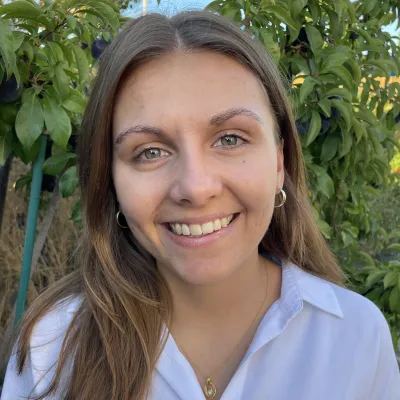
Department of Biophysics
ARCS Foundation Scholar
As an undergraduate at Northwestern University, Yulia developed an interest in understanding protein behaviors and aspired to design proteins with specific properties. This led her to pursue an internship with AI Proteins, where she computationally designed and experimentally tested miniprotein homooligomers to activate a protein target implicated in cancer. From this experience, she became interested in designing systems of proteins, leading to her thesis work in Tanja Kortemme’s lab at UCSF, where she is combining computational and experimental approaches to design protein systems that exhibit zero-order ultrasensitivity.
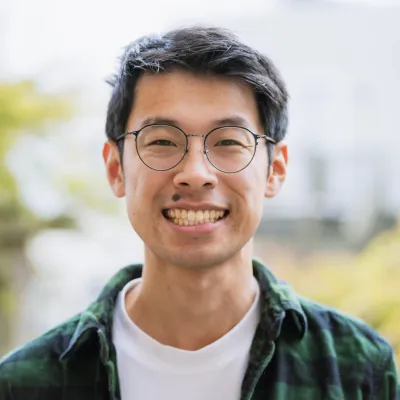
Department of Biomedical Sciences
ARCS Foundation Scholar
Alvin previously worked as a research technician at UCSF for several years, where he developed a deep interest in immunology, immunotherapy, and cellular and genetic engineering. Building on this experience, his current research as a graduate student focuses on a population of immune cells called macrophages with the goal of understanding how they regulate their ability to phagocytose, or “eat”, unwanted and malignant cells and debris in our bodies that cause disease if not removed. Alvin’s aim is to understand how macrophages can sense when they are “full” and unable to continue eating, how they process and utilize eaten material to continue eating, and ultimately utilize these findings to engineer improved macrophage-based therapies for cancer and other diseases.
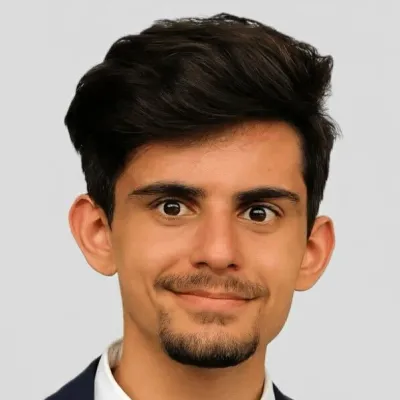
Department of Pharmaceutical Sciences & Pharmacogenomics
Jacqueline Stewart Scholar
Safwaan develops engineered immune cell therapies for solid tumors, with a particular focus on brain cancers. His research combines cancer immunology and synthetic bioengineering to design safer and more effective treatments for patients with difficult-to-treat malignancies. Safwaan became interested in cancer immunotherapy as an undergraduate at UCLA, where he studied novel tumor antigens for next-generation cell therapies and saw firsthand how advances in basic science can be translated into new therapeutic strategies. His long-term goal is to bridge fundamental immunology and bioengineering to develop innovative cell-based therapies that improve outcomes for patients with cancer.
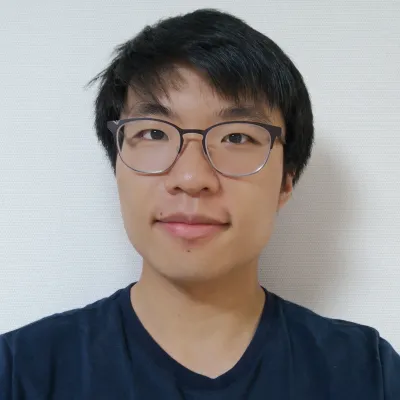
Department of Bioengineering
Dr. & Mrs. Bernard M. Kramer Endowment Fund Scholar
Alex works on developing structure-based generative AI methods for de novo protein design, particularly involving the design of controlled conformational dynamics and the precise atomic interactions necessary for functional behavior such as enzymatic catalysis. He's interested in applying these techniques to develop new enzymes, synthetic biology tools, and therapeutics.
He received his BS in Chemistry with a Focus in Applied Machine Learning from MIT, where he split his time between synthetic organic chemistry and machine learning for protein modeling. He hopes to use his expertise in both fields to develop methods that enable programmable biology via de novo proteins.
Alex is an NSF GRFP recipient and a UCSF Discovery Fellow. Outside of the lab, he enjoys exploring the specialty coffee scene, songwriting, and finding his new favorite corner of the city.
Department of Developmental & Stem Cell Biology
Merrill Randol Scholar
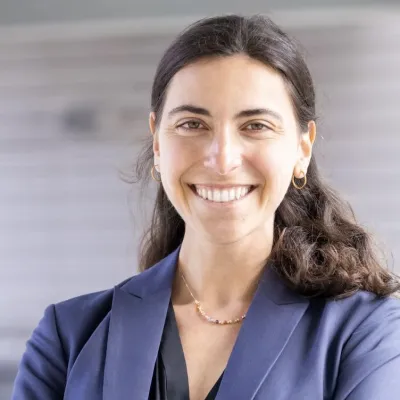
Mika is an MD-PhD student exploring how the gut microbiome shapes responses to obesity treatments and regulates energy balance. She earned her BS in Biological Sciences from Cornell University and was a Cancer Research Training Award Fellow at the NIH. She is a dedicated advocate for underrepresented communities in science through SACNAS. Mika is also a passionate science communicator, using her Instagram @mika.biome to combat misinformation and share gut microbiome research.
Outside the lab, she enjoys training for triathlons, backpacking in National Parks, and immersing herself in cultures around the world.
Department of Neuroscience
Rita Benton Milner & James Milner Scholar
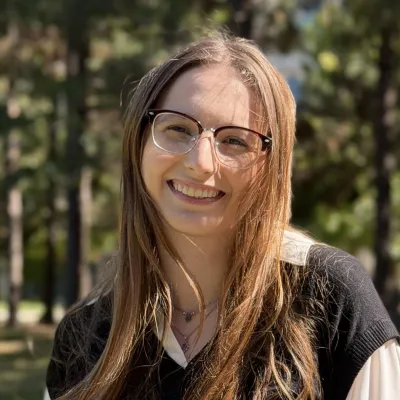
Zoe’s research focuses on the molecular and biochemical mechanisms that drive the onset and progression of Alzheimer's disease. Her project uses a novel protein labeling technology to examine how APOE4, the most common genetic risk factor for Alzheimer's, affects how neurons express, secrete, and degrade proteins. Understanding how APOE4 drives pathology in neurons can lead to new therapeutics.
Zoe earned a B.S. in biochemistry and a B.A. in psychology from Miami University in Ohio. As an undergraduate, she completed an honors thesis exploring the relationship between benzodiazepine exposure during adolescence and adult risk for alcohol abuse, a project that helped earn her a Goldwater Scholarship in 2022. When she's not in the lab, she enjoys crafting, gaming, and spending time with her two cats.
UNIVERSITY OF CALIFORNIA, SANTA CRUZ
Department of Astronomy & Astrophysics
Julie & Tom Reis Scholar
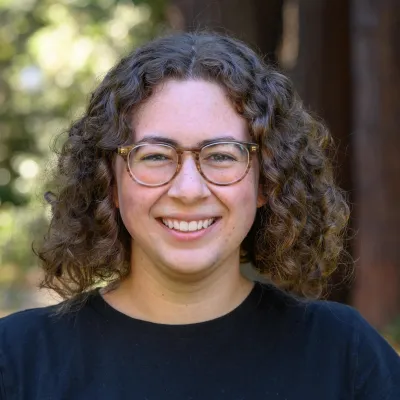
Courtney works in the UCSC Computational Astrophysics group, using data from the James Webb Space Telescope to study galaxy structure and evolution across cosmic time, with the goal of understanding the characteristics of the oldest galaxies we have ever observed. Her research focuses on using the physical structure of galaxies to understand how they evolve and change, from the Big Bang until the present. Courtney has always been interested in research that lies at the intersection of different disciplines and scales; in her current work, she is able to study the cosmological structure of the universe alongside the local physics at the center of small galaxies. Beyond astronomy, Courtney is passionate about supporting immigrant communities, both within academia and in the Santa Cruz area.
Science Communication Master’s Program
ARCS Foundation Scholar
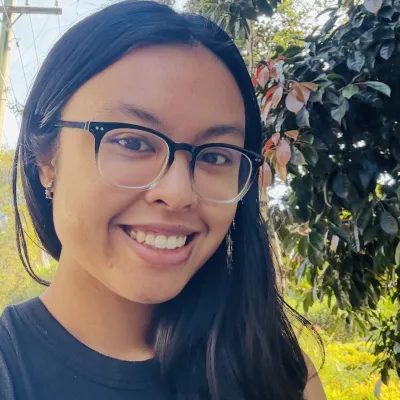
Gabrielle’s goal is to create multimedia projects that enhance public understanding of and engagement with physical science topics, particularly those related to Earth, environmental, and space topics. She conducted glaciology research using satellite remote sensing to study meltwater dynamics on the Greenland Ice Sheet and has presented her work at the American Geophysical Union Fall Meeting and Northeast Glaciology Conference.
Beyond the lab, she is passionate about science outreach, volunteering with local elementary schools and serving as a teaching fellow for non-profits like the National Education Opportunity Network. These experiences sparked her interest and dedication to science communication and the power of storytelling to connect scientific research with broader audiences.
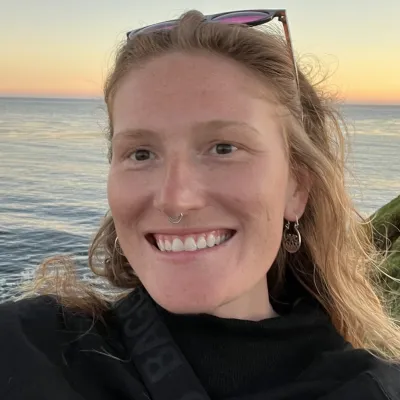
Department of Ocean Sciences
Wildcat Cove Foundation/Betsy Vobach Scholar
Marissa is a chemical oceanographer who uses metagenomics and analytical chemistry to research the cycling of mercury (Hg) in the ocean water column and sediments. Her dissertation research investigates the sources and cycling of Hg across the Pacific and Southern Oceans. She is particularly interested in understanding drivers (biotic and abiotic) of methylation and demethylation of mercury that are ultimately control methylmercury in the ocean, the neurotoxic form of Hg.
Marissa earned a B.S. in Biology from the University of Wisconsin, La Crosse, where she first became interested in contaminants in aquatic ecosystems and impacts on local communities. She then completed a M.S. in Earth and Environmental Science from Wright State University, where her thesis focused on mercury transformations in surface waters around Alaska.
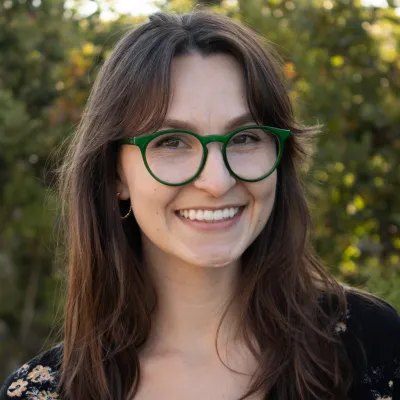
Department of Molecular, Cell & Developmental Biology
Devlin Family Fund Scholar
Maryke is interested in understanding how gene expression is regulated to create complex organisms, and how those processes go awry in diseases such as cancer. One of her projects aims to develop a blood test for non-invasive disease monitoring for gene fusion-based pediatric tumors. Her Ph.D. project aims to apply breakthrough microfluidic technologies to develop a non-invasive liquid biopsy for monitoring tumor recurrence and progression in patients with Synovial Sarcoma (SS), a rare and aggressive soft-tissue cancer.
Maryke is also passionate about science communication, teaching, and mentorship, and she has led a team of undergraduate students through a computational research project comparing gene expression profiles of various pediatric cancers. Maryke has been awarded the NIH T32 grant and has presented at multiple conferences during her graduate studies. Outside of the lab, Maryke enjoys baking, hiking, and tending to her indoor garden.
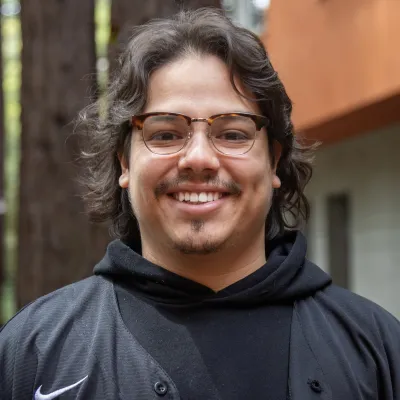
Department of Chemistry & Biochemistry
Ramsay Family Foundation Scholar
Jason is a bioanalytical chemist specializing in mass spectrometry imaging, with a research focus on developing innovative approaches to investigate the chemical cues, nutrient exchange, and cellular heterogeneity of high-grade serous ovarian cancer. His work aims to advance our understanding of the molecular mechanisms that drive cancer progression by leveraging cutting-edge imaging technologies to study cellular interactions at high spatial resolution.
In recognition of his research contributions, Jason received a Graduate Student Award at the 73rd American Society for Mass Spectrometry (ASMS) Conference in 2025. Beyond his research, he is committed to STEM outreach and regularly volunteers with the Expanding Your Horizons program, where he helps introduce young girls in the Monterey Bay region to natural product science.
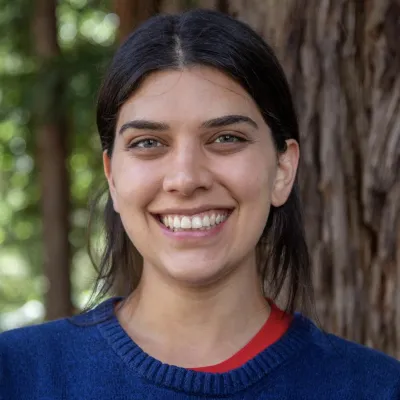
Department of Earth & Planetary Sciences
ARCS Foundation Scholar
Aliya is interested in studying coastal biogeochemistry, and her research focuses on understanding how coastal wetlands sequester and export carbon and their role as nature-based climate solutions. She first became interested in biogeochemistry through internships at the Smithsonian and NPS, and now works in the Elkhorn Slough at UC Santa Cruz.
Department of Microbiology and Environmental Toxicology
Libby & Barry Taylor Scholar
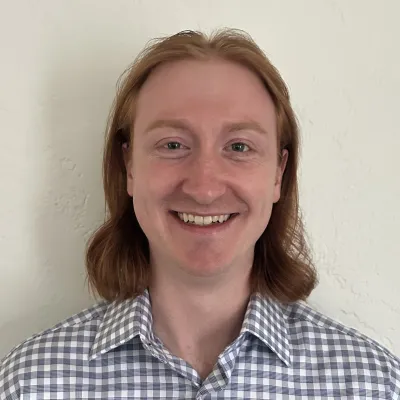
Throughout his research career Adam has been fascinated with studying host-pathogen interactions. In 2019, he received the Koret undergraduate research scholarship for his research studying novel anti-virulence drugs to combat the growing threat of antimicrobial resistance. Today, he is using structural biology to visualize the interaction between human astrovirus (a virus that infects everyone in the world) and the neonatal Fc receptor, revealing a critical stage in the lifecycle of human astrovirus. A detailed understanding of this interaction can inform the development of an effective vaccine and/or antiviral therapeutic.
After completing his graduate studies, Adam hopes to continue working to develop vaccines and therapeutics to relieve global infectious disease burden. Outside of research, Adam enjoys hiking, tide-pooling, and relaxing at the beach.
Department of Biomolecular Engineering
ARCS Foundation Scholar
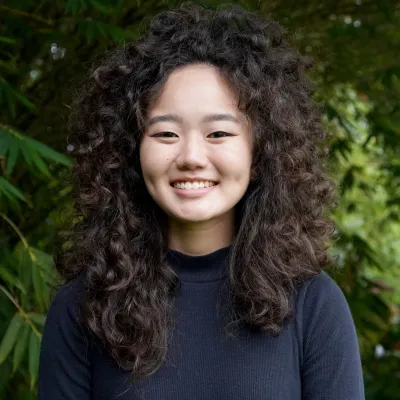
Anne’s research in evolutionary genomics uses landscape-scale comparative genomics to support biodiversity conservation, which she applies to large datasets from the California Conservation Genomics Project, and to genomic sequencing data she generated for an invasive fungal plant pathogen in her native Hawai‘i. Her research is supported by the NSF-GRFP and NHGRI T32 Genome Sciences Training Fellowships.
Anne is dedicated to mentorship and has organized a genomics training program for new graduate students at UCSC. Outside of research, she enjoys art, photography, and, when home in Hawai‘i, fishing and diving.
Department of Physics
Montgomery Street Foundation Endowment Fund Scholar
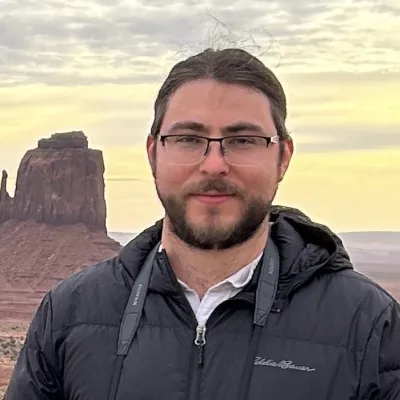
Grant has always been fascinated by space and the cosmos, especially galaxies, black holes, and dark matter. His research brings these topics together by studying how the earliest galaxies and their central black holes formed in the young universe, with a particular focus on objects known as Little Red Dots. This new class of early galaxies, recently revealed by The James Webb Space Telescope, appear to be extremely compact but may contain unusually massive black holes at their centers. Grant aims to understand how these mysterious objects formed so early in cosmic history, and what they can teach us about galaxies, black holes, and dark matter.
In pursuing this work, Grant received a dissertation year fellowship as well as the UC Santa Cruz Physics Department’s Marilyn Stevens Award for his research mentorship of undergraduate students, two of whom went on to receive NSF Graduate Research Fellowship Program awards.
Department of Electrical & Computer Engineering
Lakeside Foundation Scholar
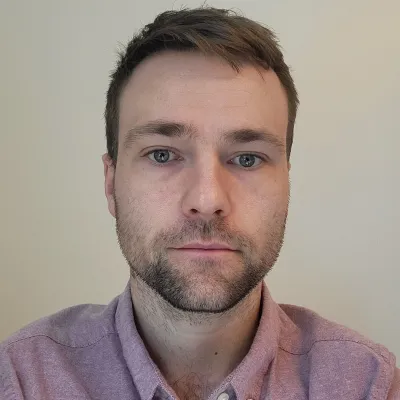
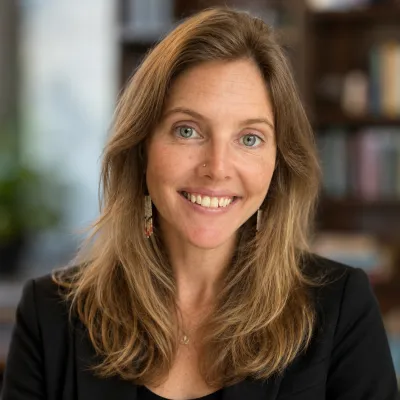
After receiving his B.S. in mechanical engineering, Kaelan spent four years working on medical device research and development in the UCSF Surgical Innovations program. He is currently pursuing his Ph.D. in electrical and computer engineering in the Rolandi Lab at UCSC. His research is focused on bioelectronic devices for modulation of living tissue and myoelectric sensing for prosthesis control and human machine interfaces.
Department of Environmental Studies
ARCS Foundation Scholar
Georgia studies how prescribed fire can restore degraded California coastal prairies. Her work integrates an observational study of vegetation and soil carbon across the Central Coast, a field experiment reestablishing native annual wildflowers, and a life cycle analysis quantifying the carbon footprint of grassland restoration. She co-led a coastal prairie fire working group with over 30 agencies, facilitating workshops and developing a practitioner-focused website. Before her Ph.D., she worked in land management in the San Francisco Bay Area and Carson City and earned a master’s in plant conservation. She is passionate about mentorship and advancing collaborative, applied conservation.

Department of Biomolecular Engineering
ARCS University Relations Committee Scholar*
Taylor’s broader research interest lies in improving disease diagnosis and treatment in ways that advance public health. Her previous experience in microbiology and immunology laboratories, including her role as a research associate in the pharmaceutical industry, has provided a strong foundation in experimental and translational research. Through these experiences, she became interested in why treatment responses vary among patients, motivating her to pursue a Ph.D. to study molecular mechanisms that may help explain these differences. Her current research investigates how cancer-associated alterations in RNA processing promote treatment resistance and immune evasion. Ultimately, Taylor hopes this work will contribute to improved prediction of drug response and more effective treatment strategies.
*Contributors include: Elizabeth Adams, Megan Anderson, Joanna Beam, Rada Brooks, Charlie Campbell, Noelle Filippenko, Jan Goodson, Heidi Huchburger, Eve Masonek, Marguerite Tompkins, and Judy Webster
Science Communication Master’s Program
ARCS Foundation Scholar
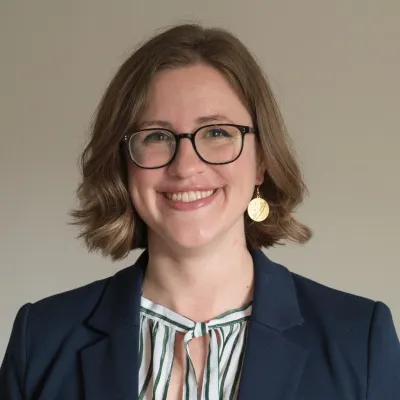
As a geologist and science communicator, Kelsey’s goal is to act as a translator between scientists and the public. Her Ph.D. was in Earth & Planetary Sciences at Washington University in St. Louis. As a CASW Taylor/Blakeslee Physical Sciences Fellow in the UC Santa Cruz Science Communication Program, Kelsey aims to hone her skills as a science journalist and write pieces that make abstract scientific topics engaging and accessible.
Department of Molecular, Cell & Developmental Biology
Dianne Brock & William Reilly Scholar
Marguerite Tompkins & Michael Mensik Scholar
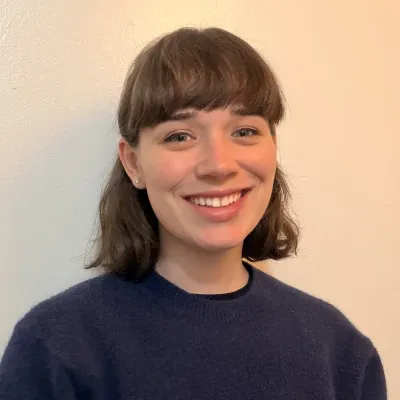
Michelle’s current research aims to identify mechanisms that drive chromosome end-specific telomere lengths in the yeast Saccharomyces cerevisiae. Specifically, Michelle uses techniques such as CRISPR-mediated genome engineering and Nanopore sequencing to better understand how subtelomeric sequences and chromatin affect telomere length. For their research, Michelle was a recipient of the UCSC MCD NIH T32 Training Grant and was more recently awarded a UCSC MCD Graduate Student Seminar Series Standout Presentation Award and a UCSC Dissertation Year Fellowship. Michelle loves mentoring undergraduate and graduate students, as well as organizing social gatherings to connect the PBSE community. Outside of the lab, Michelle loves to figure skate, hike, and bake.