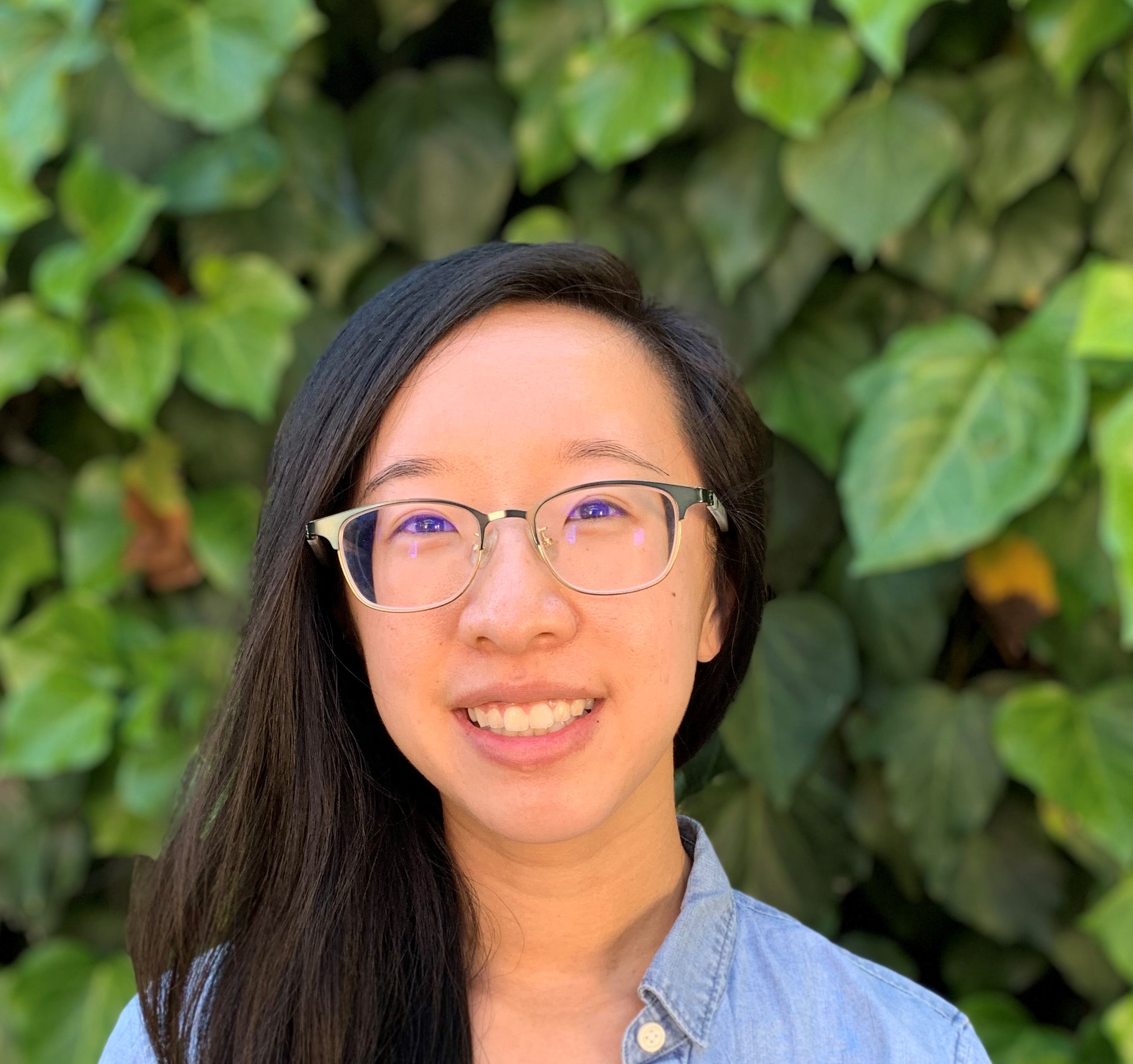
SCHOLAR SPOTLIGHT: ZOE PLATOW
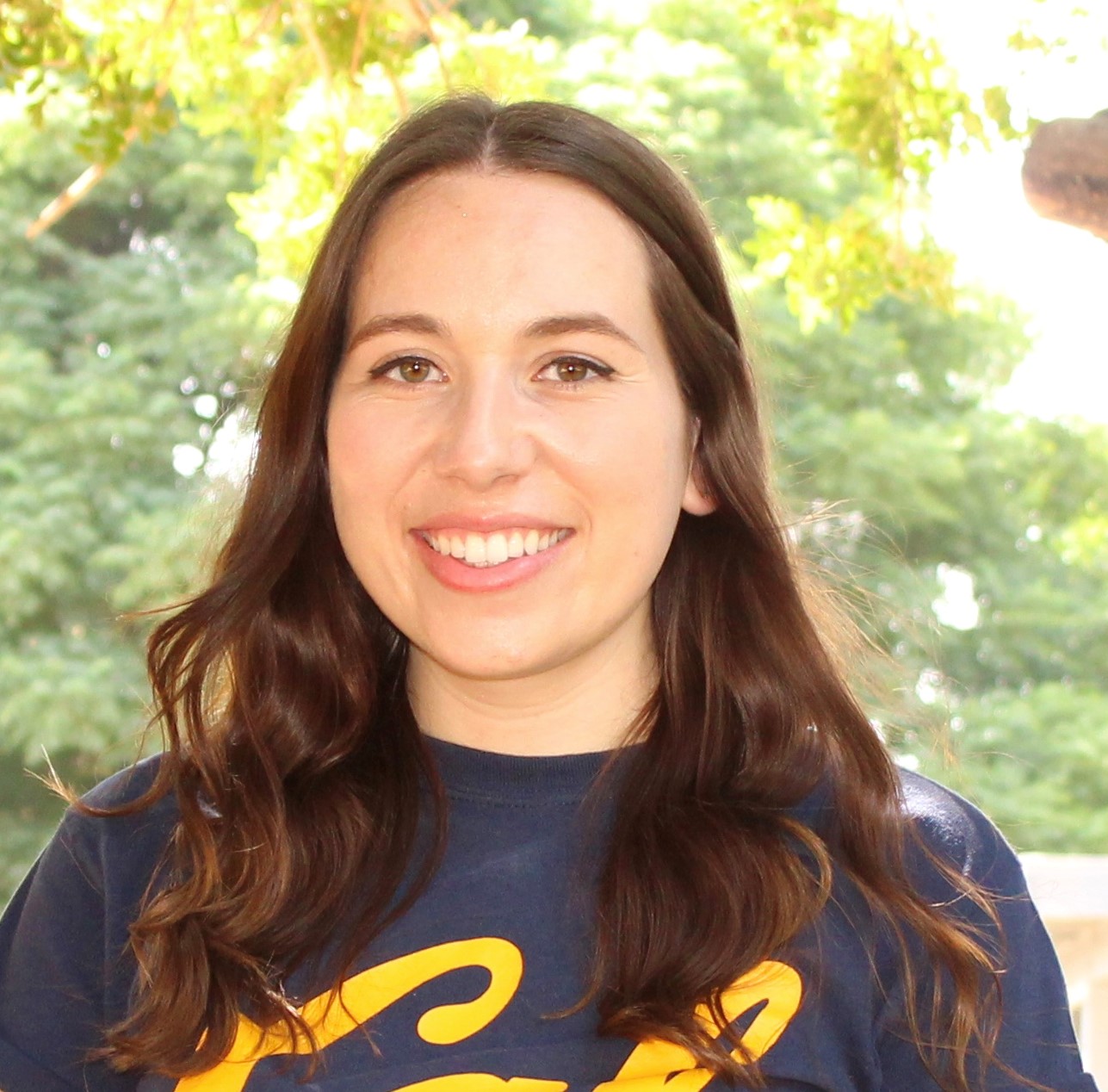
Zoe is pursuing a PhD in the Department of Neuroscience at UCSF. Hailing from a rural area of Pennsylvania, she spent her childhood summers at her grandparents’ home in Oak Island, North Carolina. Her grandmother taught her how to love learning and was a constant source of inspiration for Zoe’s curiosity and wonder about the world around her.
The devastating process of watching her beloved grandmother’s slow descent into Alzheimer’s disease, along with Zoe’s drive to learn and understand, centered her on her life’s path: to study Alzheimer’s disease. She is particularly motivated by the fact that women are at substantially higher risk for Alzheimer’s disease compared to men and that scientific studies using mice as models for the disease have historically not analyzed for sex differences.
Zoe’s lab at UCSF studies the Alzheimer’s disease risk gene APOE4. APOE4 was identified as the strongest risk gene for late onset Alzheimer’s disease over 30 years ago and seems to impact Alzheimer’s disease pathology through many different pathways and cell types in the brain. Zoe is particularly interested in how neurons – brain cells that communicate with each other to drive thought and behavior – are affected by APOE4. Research from the lab suggests that APOE4 starts to cause neuronal dysfunction in mice beginning in young adulthood – equivalent to around 30 years old for a human.
Zoe wants to know what underlies APOE4’s early life effect on neuronal function. Her research project uses a strategy to label and isolate proteins produced by neurons so that she can profile how APOE4 alters neuronal protein expression. Preliminary results are consistent with studies indicating that neurons are vulnerable to the effects of APOE4 beginning in early adulthood.
Zoe concluded her talk to ARCS members at our General Meeting by thanking them, noting that the results that she currently has are from small pilot experiments and that funding from the ARCS award will allow her to expand this project and push it to even greater heights.
And, in her own words:
“Finally, I’d like to say that in a world full of the Internet and artificial intelligence, if you get the chance to inspire curiosity and a love for learning in a young potential scientist, please do it. I am sure that many of you are role models to young ones, and your influence and mentorship have the power to touch their lives forever, just as my Nana did for me.”
- Log in to post comments